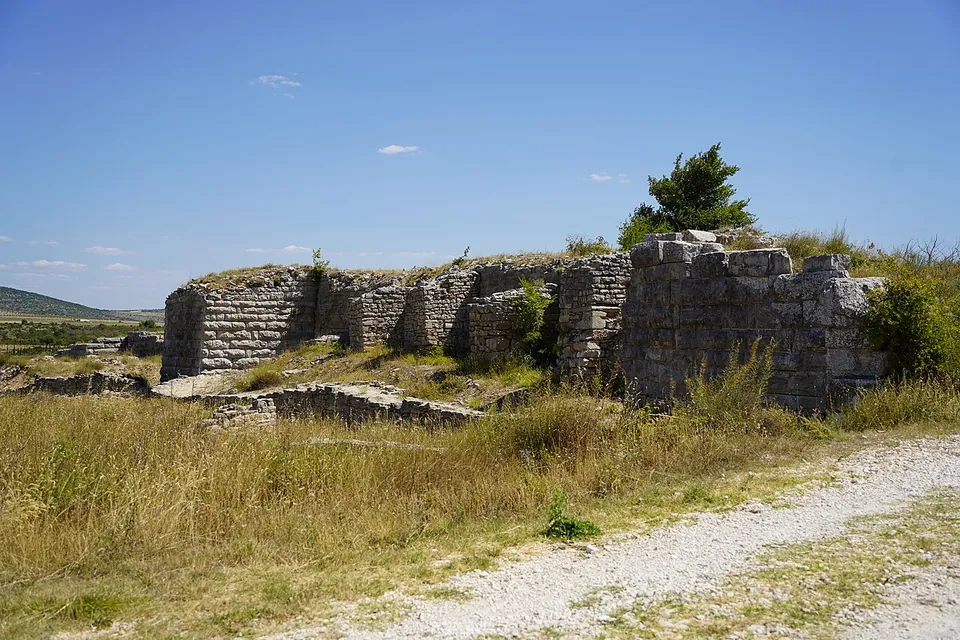
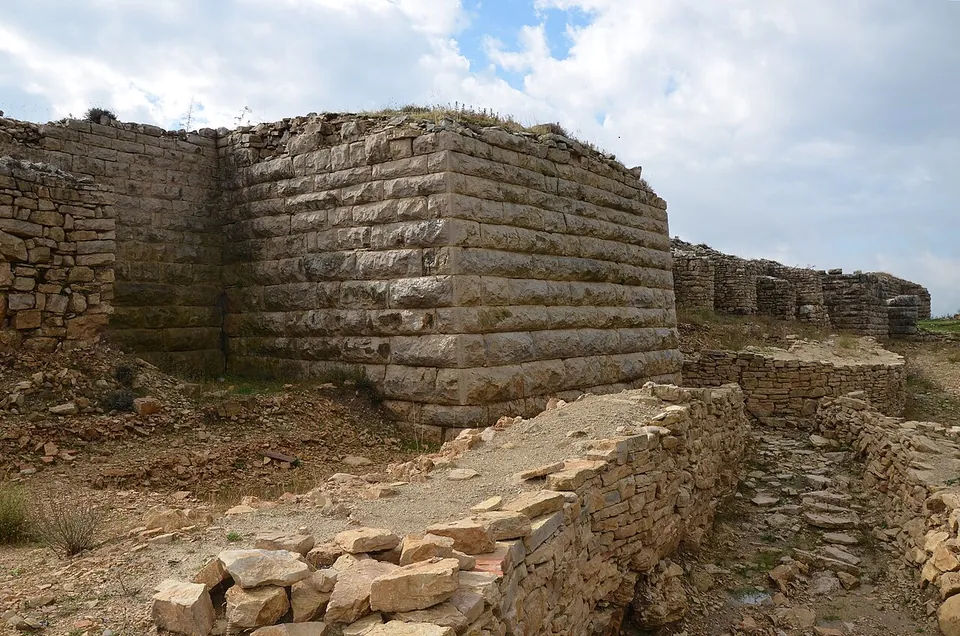
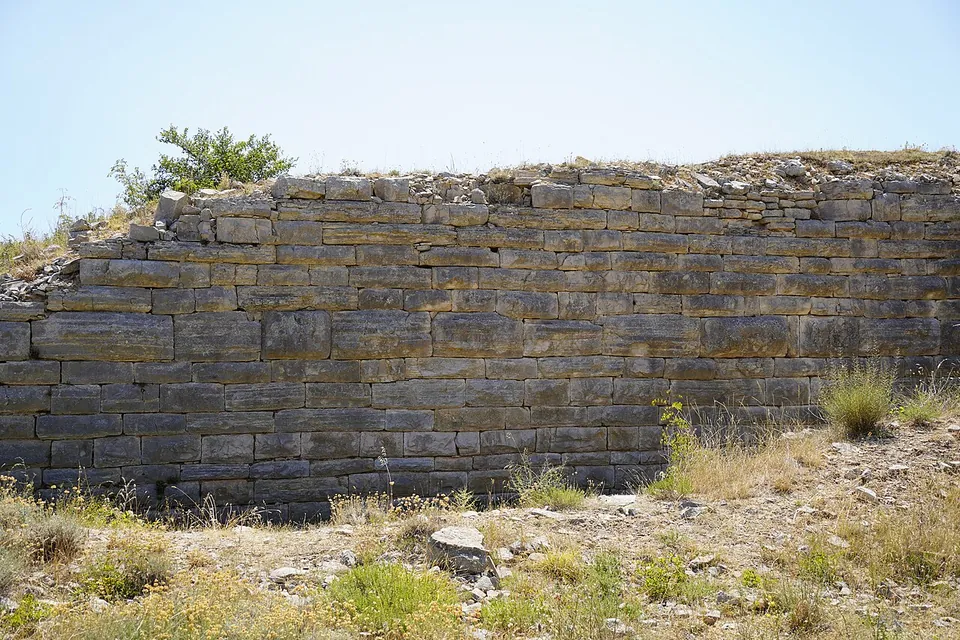
Asseria is a Liburnian hill town that became a Roman municipium, on a low rise at Podgrađe near Benkovac, about 30 km east of Zadar. Its walls, built of huge squared stones, still stand for long stretches, and you can walk round them in open country; no fee is recorded.
What is there today
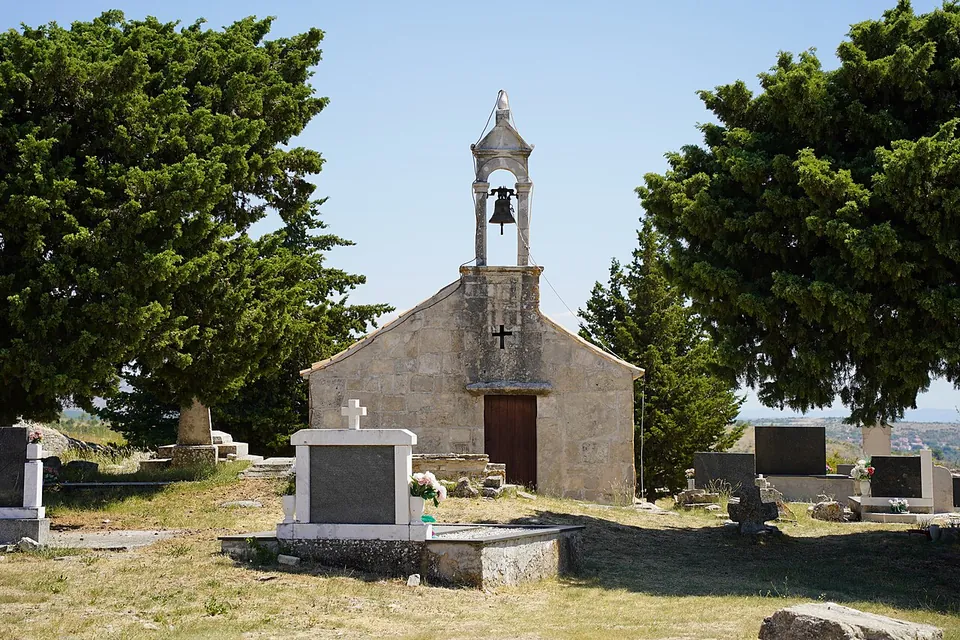
Long stretches of the city wall survive, in courses of massive squared blocks, with corner towers; English Wikipedia says the ashlar walls predate the Roman occupation, while German Wikipedia says the monumental late antique walls largely replaced the earlier Roman and Liburnian defences. Inside, excavations have uncovered the 1st-century Roman forum with its capitolium, town houses and a probable basilica. Parts survive of an arch dedicated to Trajan in 113, built into the main city gate (en.wikipedia; hr.wikipedia; sl.wikipedia). A small church of the Holy Spirit stands within the site (de.wikipedia).
Is it worth the trip?
Yes, for anyone who likes their ruins quiet and big: the walls are the most striking thing here. It is not a site with a visitor centre, a café or shade, and the finds are in museums elsewhere, so come with water and a map, ideally combined with a visit to Zadar or the Benkovac museum. If you want explanation, book the museum’s guided tour.
Getting there
Asseria is at Podgrađe, about 6 km east of Benkovac, on a low rise above the road that once ran from Burnum near Knin to Zadar (sl.wikipedia; the Commons description of the P18). No car park or public transport is mapped at the site, and the nearest mapped road is about 260 m from the centre of the walls (OpenStreetMap). No source records a fee or opening hours for the site. The Benkovac local museum offers guided tours of the archaeological park, €10 in Croatian and €15 in English for a group of up to 25, booked three days ahead (Zavičajni muzej Benkovac, price list of 2023).
Visiting details
- Tickets
- No fee is recorded for the site. The Benkovac museum offers guided tours of the Asseria archaeological park — €10 in Croatian, €15 in English, for a group of up to 25 — to be booked at least three days ahead (info@muzej-benkovac.hr, +385 23 681 055).
Before you go
- There is no public transport or car park mapped at the site; the nearest mapped road is about 260 m from the centre of the walls (OpenStreetMap). Bring water and shade in summer; the site is open, rocky ground.
- The finds are not on site. Most are in the Archaeological Museum Zadar (en.wikipedia), and new finds are going to the Benkovac museum (the museum).
Hours and prices checked 26 September 2026 on the operator's own site. Confirm before travelling.
History
In pre-Roman times Asseria was an important centre of the Asseriates, a Liburnian people. It became a Roman military post in the 1st century AD and later a market town on the road from Iader to Salona; Pliny the Elder records it as exempt from tribute, and it probably became a municipium under Claudius (en.wikipedia). A workshop here produced the distinctive Liburnian funerary cippi (hr.wikipedia). Water came by a 3 km aqueduct from the spring of Čatrnja in Lisičić. The town was inhabited from the 5th century BC to the 6th century AD (de.wikipedia). Finds from the excavations are in the Archaeological Museum in Zadar (en.wikipedia).
More photographs
Nearby
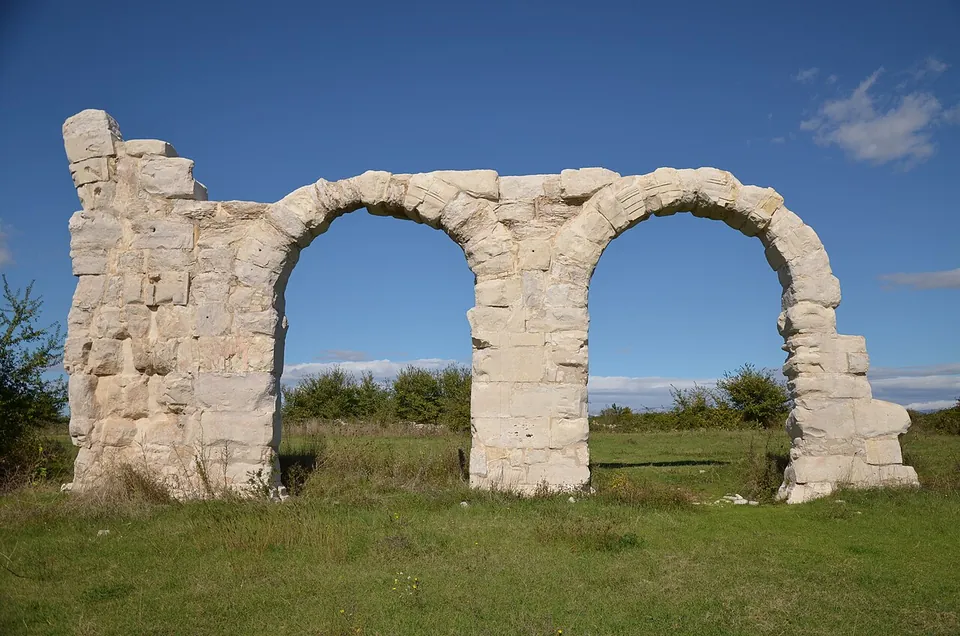
Photo: Carole Raddato · CC BY-SA 2.0 · Commons
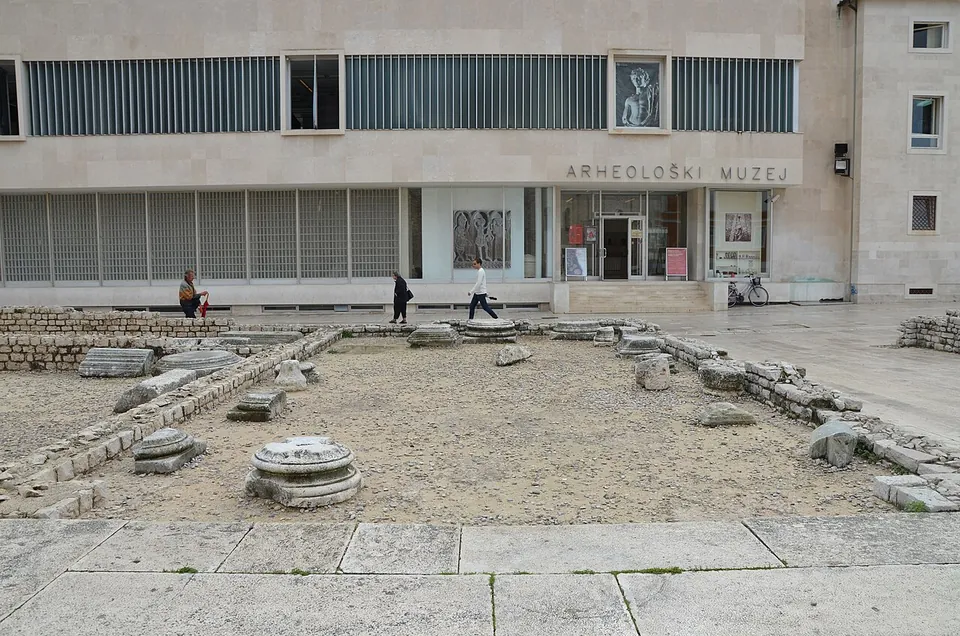
Photo: Carole Raddato · CC BY-SA 2.0 · Commons
37 km · city · Zadar County
Roman Forum in Zadar
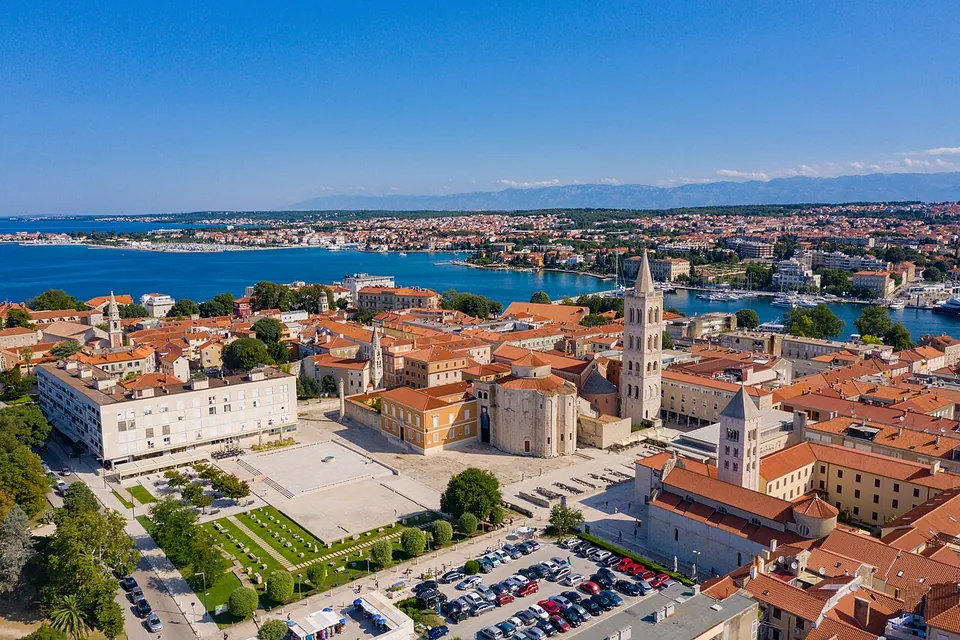
The remains are at ground level: stretches of paving and wall footings, bases of columns and carved blocks, set out in an open square between St Donatus and the Archaeological Museum (the photographs; en.wikipedia).
37 km · city · Zadar County
Iader – Zadar
The one stop with its own page is the Roman Forum, an open square of Roman paving, foundations and carved blocks beside the church of St Donatus.
_01.jpg)
.jpg)
_02.jpg)
_05.jpg)
,_Burnum_legionary_camp,_Dalmatia_(10379394316).jpg)
.jpg)
.jpg)
Straight-line distances.
Sources
Every fact on this page comes from the records below, each used under the licence noted.
| Source | Licence |
|---|---|
| Pleiades 197145 | CC BY |
| Wikidata Q741219 | CC0 |
| OpenStreetMap relation/9177502 | ODbL |
| Wikipedia (en) — Asseria | CC BY-SA 4.0 |
| Wikipedia (hr) — Asseria | CC BY-SA 4.0 |
| Zavičajni muzej Benkovac — O muzeju (guided tours of the Asseria park) | licence not recorded |
| Zavičajni muzej Benkovac — price list (PDF, 2023) | licence not recorded |