
.jpg)

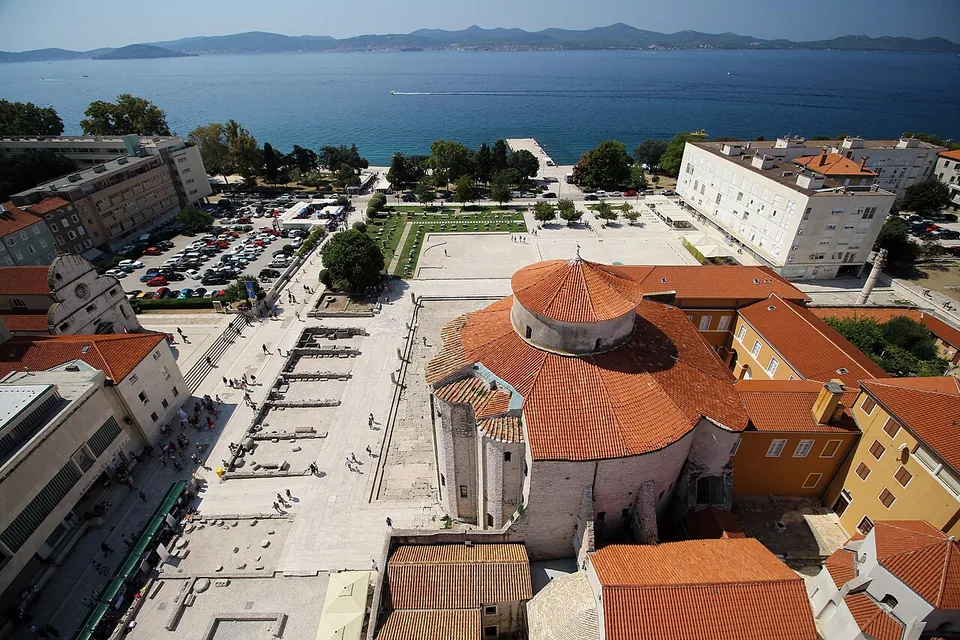
The Roman forum of Zadar was the main square of the colony of Iader, laid out under Augustus on the western side of the town, and it is still an open square today: the paving, wall lines and column bases of the forum lie beside the round church of St Donatus. English Wikipedia calls it the largest forum on the eastern side of the Adriatic.
What is there today
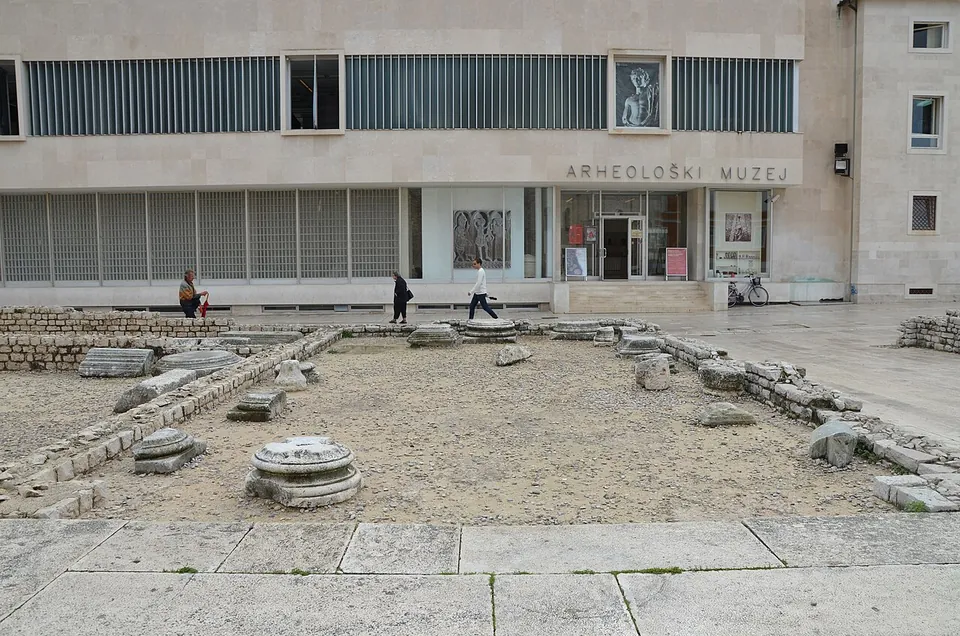
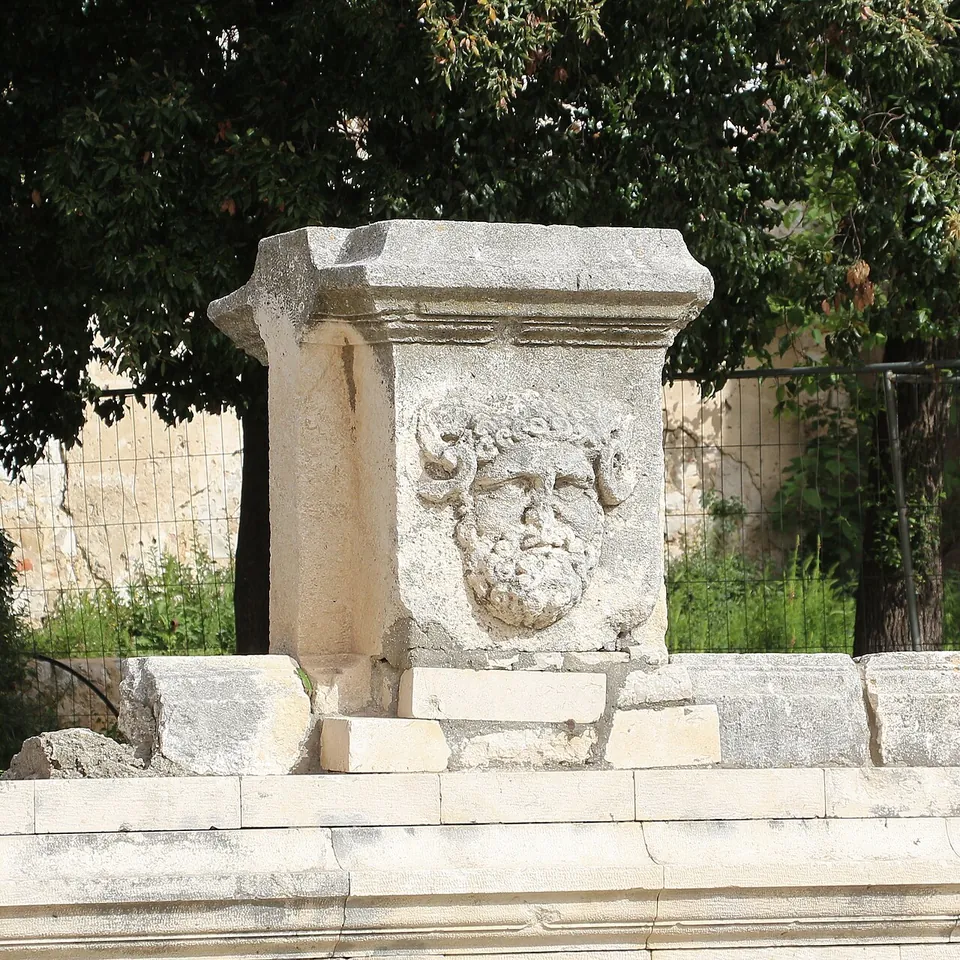
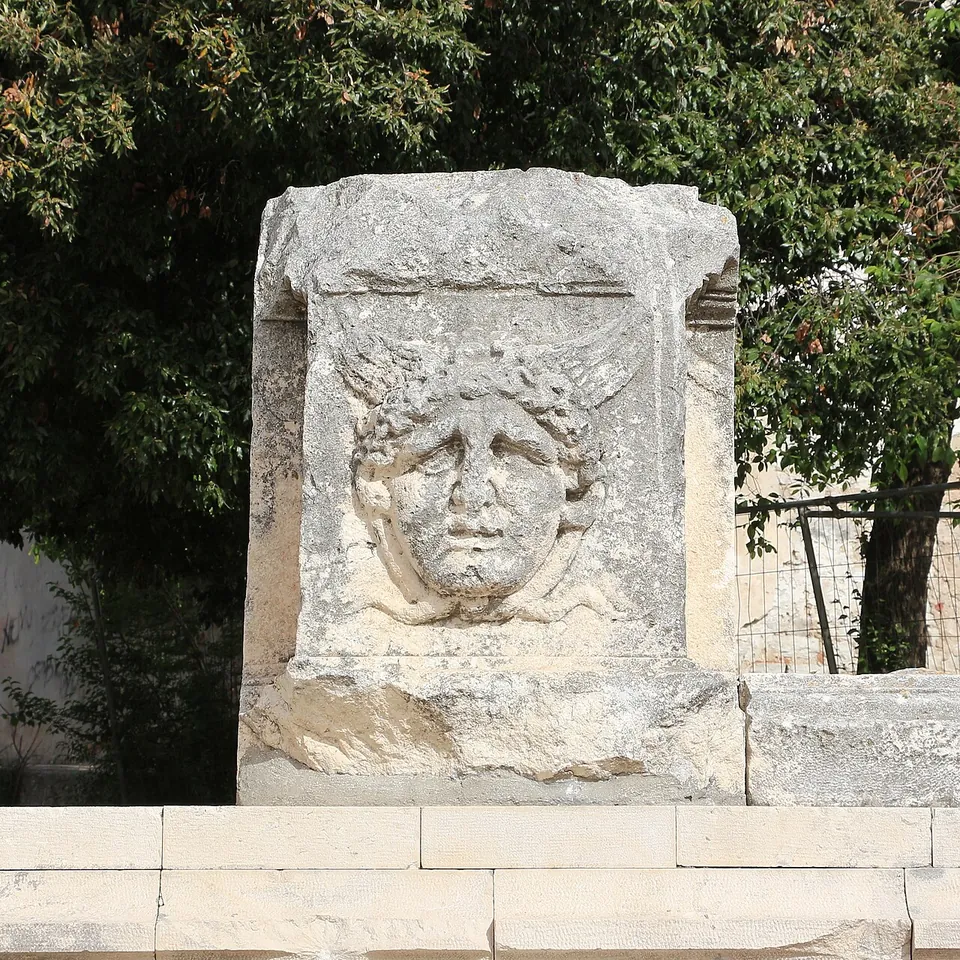
The remains are at ground level: stretches of paving and wall footings, bases of columns and carved blocks, set out in an open square between St Donatus and the Archaeological Museum (the photographs; en.wikipedia). The forum was surrounded by a two-storey portico, and beside it on a slightly raised platform stood the capitolium with its temple, enclosed by a single-storey portico (hr.wikipedia). One Roman column still stands, later used as a pillory — the “pillar of shame” (OpenStreetMap).
Is it worth the trip?
As part of a walk through Zadar’s old town, yes — it is free, always open and at the heart of the old town, and it is where the Roman town is most visible. It is a square of foundations and fragments, not standing buildings, so it rewards a few minutes with the carved blocks rather than a special trip.
Getting there
The forum is an open square in the old town on the Zadar peninsula, beside St Donatus. A paid car park is mapped about 80 m away and the old bus station stop about 260 m away (OpenStreetMap). The Archaeological Museum Zadar faces the square.
Visiting details
- Tickets
- Free
- Parking
- A paid car park about 80 m away (OSM way/135569284, fee=yes); the Archaeological Museum Zadar faces the forum.
- On foot
- At the parking
History
The town was laid out on the Roman grid, with five long streets and many cross streets dividing it into rectangular blocks. The main square, the forum, was built at the western end of the town, with the capitolium beside it and a separate market square facing the sea (hr.wikipedia). English Wikipedia says the forum was founded by Augustus, and that two inscriptions record its completion. From the end of the 3rd century a Christian centre with a basilica and a baptistery grew up north of the forum (en.wikipedia).
More photographs

Nearby
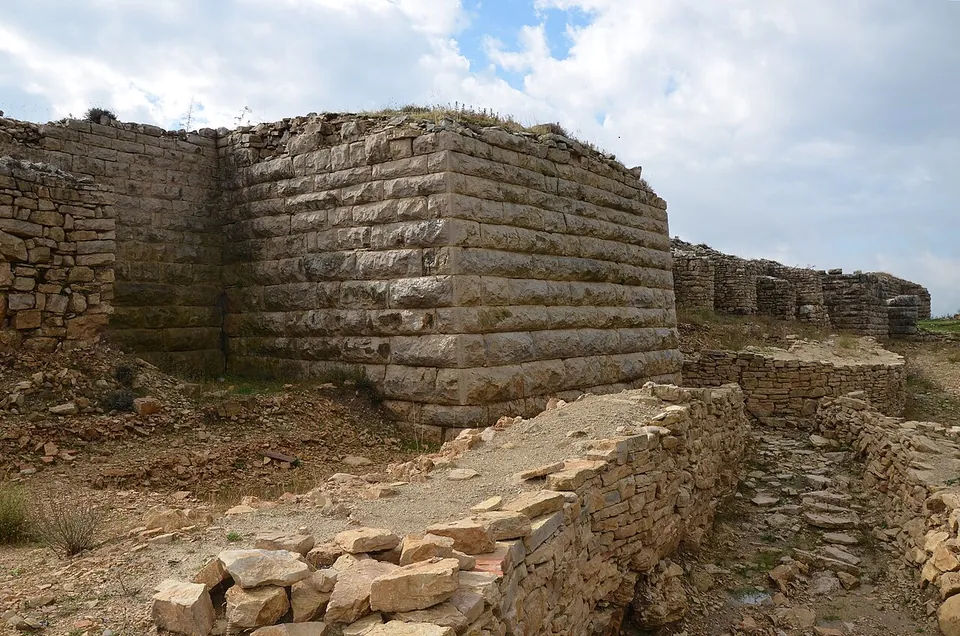
Photo: Carole Raddato · CC BY-SA 2.0 · Commons
37 km · city · Zadar County
Asseria
Long stretches of the city wall survive, in courses of massive squared blocks, with corner towers; English Wikipedia says the ashlar walls predate the Roman occupation, while German Wikipedia says the monumental late antique walls largely replaced the earlier Roman and Liburnian defences.
.jpg)
Straight-line distances.
Sources
Every fact on this page comes from the records below, each used under the licence noted.
| Source | Licence |
|---|---|
| Wikidata Q23889314 | CC0 |
| OpenStreetMap node/581847041 | ODbL |
| Wikipedia (en) — Zadar (Antiquity; Architecture) | CC BY-SA 4.0 |
| Wikipedia (hr) — Jadera | CC BY-SA 4.0 |