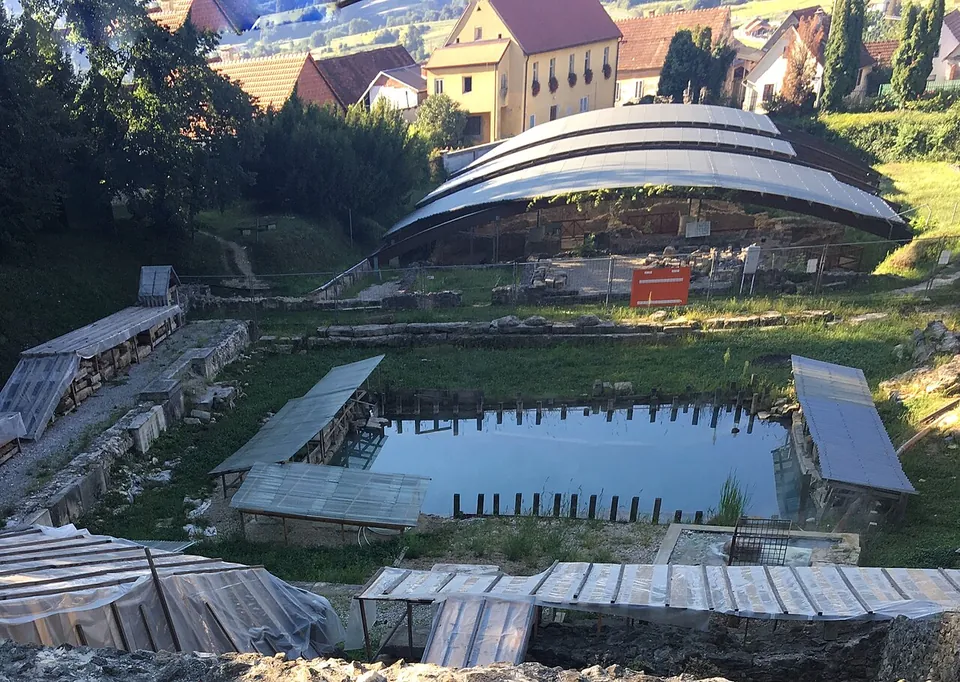
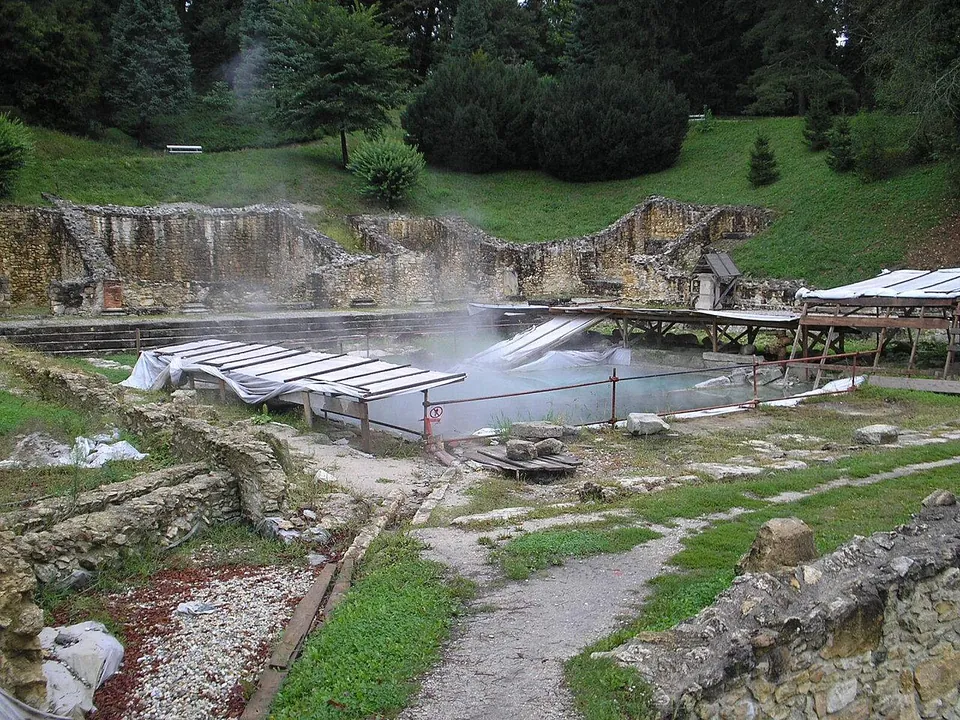
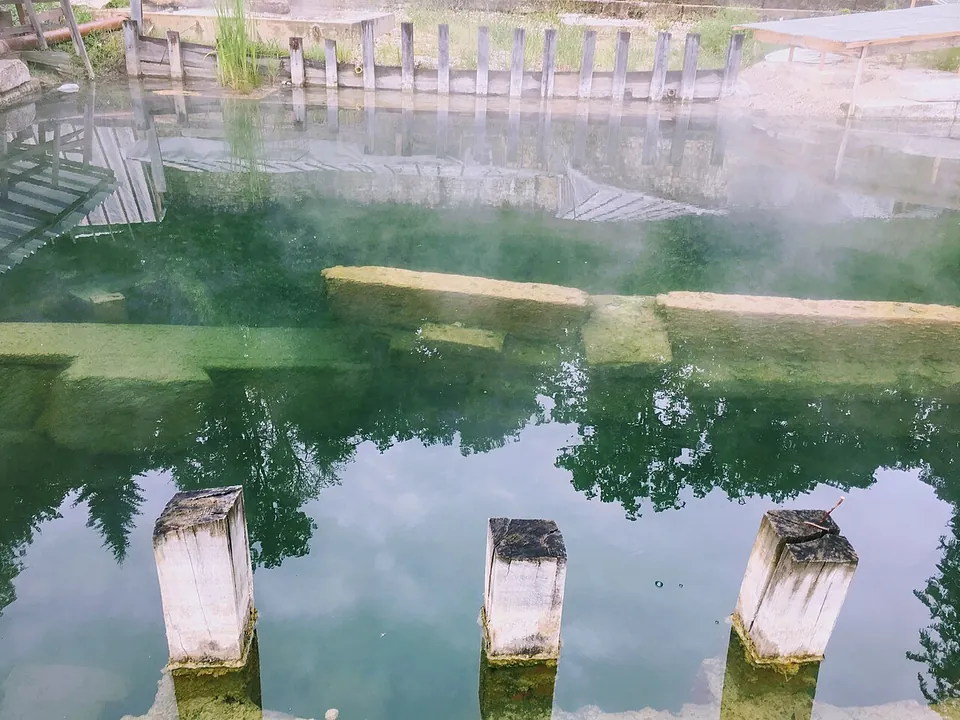
Aquae Iasae was a Roman spa town built around a hot sulphur spring, in what is now Varaždinske Toplice in northern Croatia. In the middle of the modern town, its baths, forum and temples have been excavated, with walls up to 3 m high — and the spring still steams in the Roman basin.
What is there today
A compact archaeological park covering about 6,000 m² of Roman public buildings of the 1st to 4th centuries. There is the bath complex, with its pools and a bath basilica later adapted for Christian worship; the forum, surrounded by porticoes, with the thermal spring at its centre; and the capitolium, with temples of Minerva, Jupiter and Juno — though hr.wikipedia notes that no inscription or statue of Jupiter has yet been found there. The best-preserved buildings are from after Constantine’s restoration in the 4th century, and their walls stand 2 to 3 m high, with water channels, heating, floors, thresholds, wall paintings and reliefs (the operator). In the forum, excavations from 2006 uncovered the Roman spring basin, 8 by 13.5 m, built of large stone blocks; the spring, at 58 °C, has been in use for 2,000 years (the operator).
Is it worth the trip?
Yes, if you are in northern Croatia or near Varaždin: it is small, cheap and unusual — a Roman spa with the spring still steaming in its Roman basin. The operator calls it the only complex of its kind this well preserved in inland Croatia. The catch is the opening hours: individual visitors can only get in on weekday mornings and early afternoons.
Getting there
The park is in the centre of Varaždinske Toplice (the operator). A bus stop is mapped about 130 m away and a car park about 190 m away (OpenStreetMap).
It is open Monday to Friday from 09.00 to 14.30, and at weekends only for groups by arrangement; it closes on public holidays. Entry to the site is €3; the museum’s archaeological display in the Old Town costs another €3, and a guided tour is €20 in Croatian or €30 in English or German (Zavičajni muzej Varaždinske Toplice, read 26 September 2026).
Visiting details
- Opening hours
- Monday to Friday 09.00–14.30; at weekends only by prior arrangement for groups; closed on public holidays. Groups can also visit outside these hours if they book at least three days ahead.
- Tickets
- The archaeological site is €3. The museum's archaeological display in the Old Town (Stari grad) is €3 (€2 for pupils, students and pensioners, €1.50 for pre-school children). A guided tour is €20 in Croatian or €30 in German or English.
- Parking
- The nearest mapped car park is about 190 m away, and a bus stop about 130 m (OpenStreetMap).
Before you go
- Weekday opening only for individual visitors; at weekends the site opens for booked groups.
Hours and prices checked 26 September 2026 on the operator's own site. Confirm before travelling.
History
The name means “the waters of the Iasi”, the people who lived here before the Romans; the Romans found a tradition of using the thermal water already in place (the operator). The town probably grew up under the Flavian emperors, on the road from Poetovio (Ptuj) to Iovia (Ludbreg), in the province of Pannonia Superior. Its hot sulphur water made it a centre of healing, trade and worship, visited among others by soldiers; visitors left inscriptions thanking Minerva, Diana, Apollo, Aesculapius, the nymphs of the spring and Mithras. The most valuable find, a statue of Minerva made in Poetovio in the 2nd century, was found at the temple entrance in 1967 (hr.wikipedia). Goths devastated the town at the end of the 3rd century; Constantine the Great restored it at the beginning of the 4th, but it was destroyed and abandoned during the invasions later in that century (hr.wikipedia). The Archaeological Museum in Zagreb began excavating in 1953 (hr.wikipedia; the operator).
Nearby
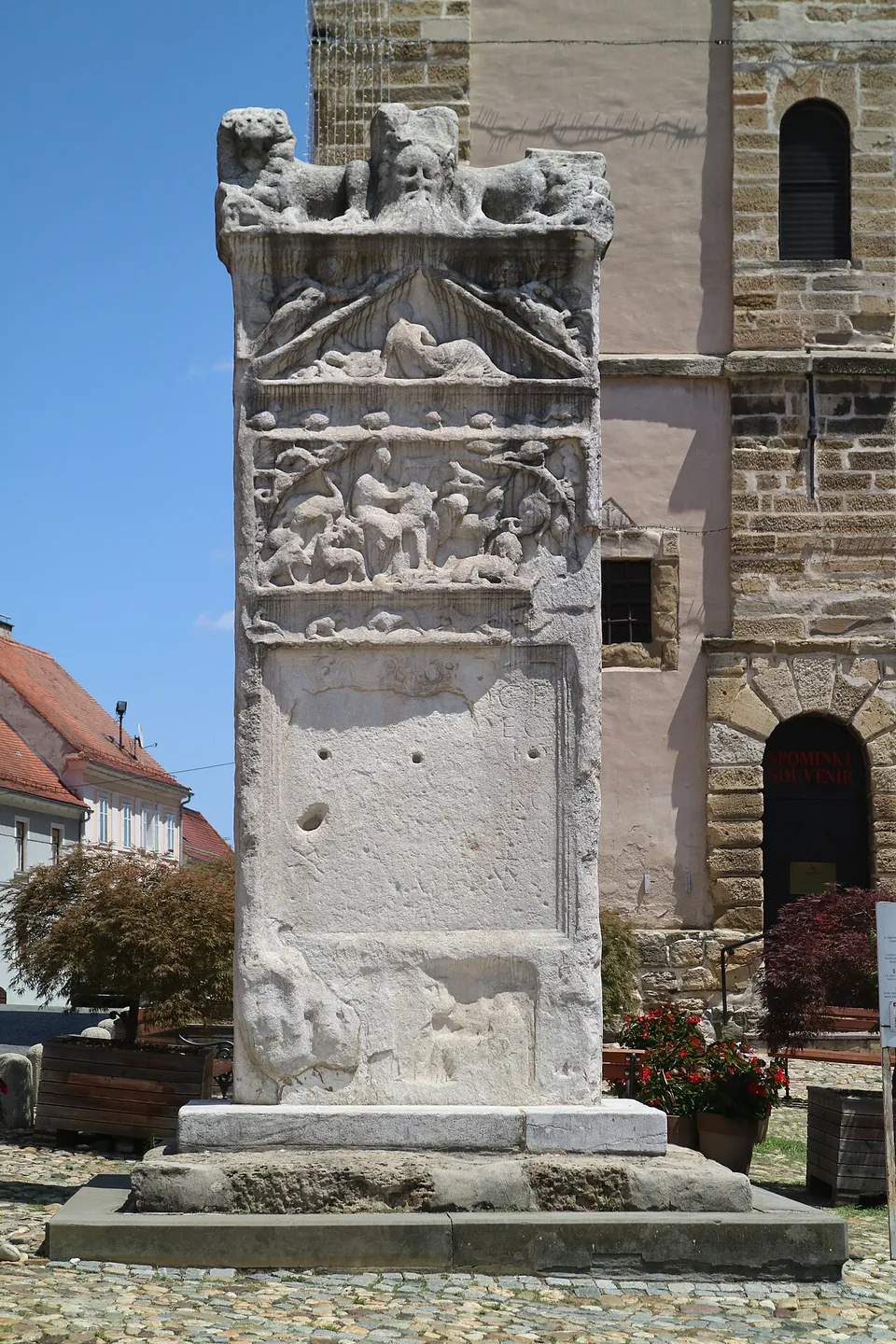
Photo: Clemens Stockner · CC BY-SA 4.0 · Commons
48 km · city · Ptuj
Poetovio – Ptuj
The Orpheus Monument stands on Slovenski trg in front of the Town Tower, where it has always stood: it is the oldest public monument in Slovenia still in its original place, and the largest known monument from the Roman province of Pannonia Superior (en.wikipedia).
49 km · temple · Ptuj
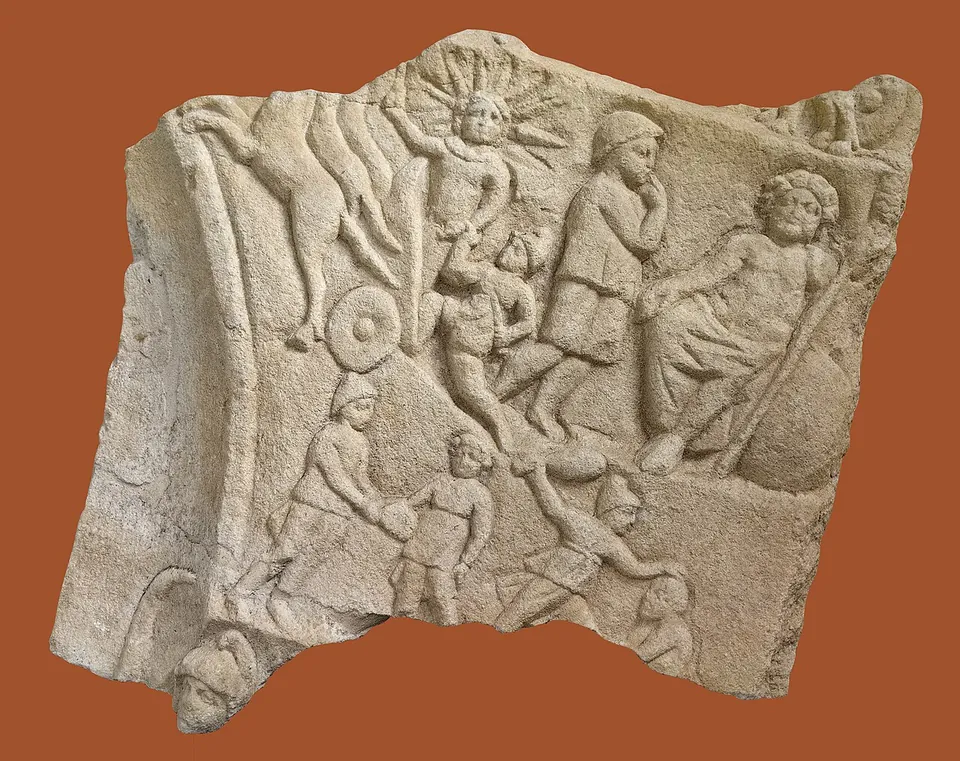
Mithraeum III of Ptuj
The foundations of the shrine, under a protective building, with its original fittings: altars, reliefs, cult images and scenes of the Mithras legend (heritage register).
50 km · temple · Hajdina
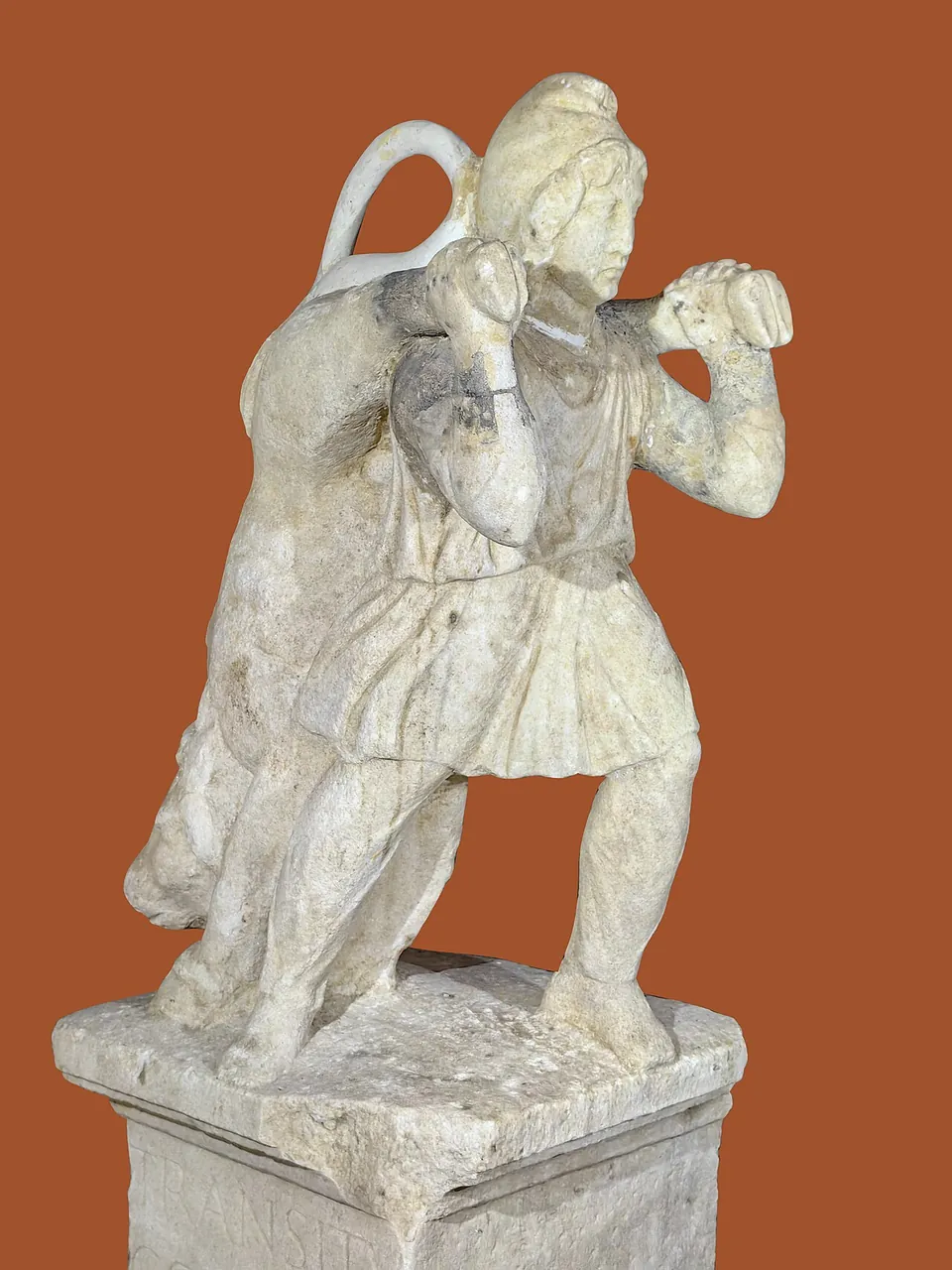
Mithraeum I of Ptuj
A protective building covers the foundations of the shrine, with its floors and its altars in place — the register lists altars to Mithras and to his torch-bearers Cautes and Cautopates.


Straight-line distances.
Sources
Every fact on this page comes from the records below, each used under the licence noted.
| Source | Licence |
|---|---|
| Pleiades 197127 | CC BY |
| Wikidata Q3510699 | CC0 |
| Vici.org 11789 | CC BY-SA (text), CC0 (metadata) |
| OpenStreetMap way/465541871 | ODbL |
| Wikipedia (hr) — Aquae Iasae | CC BY-SA 4.0 |
| Wikipedia (de) — Aquae Iasae | CC BY-SA 4.0 |
| Zavičajni muzej Varaždinske Toplice — Arheološki park Aquae Iasae (the operator) | licence not recorded |
| Zavičajni muzej Varaždinske Toplice — tickets and opening hours | licence not recorded |