

What is there today
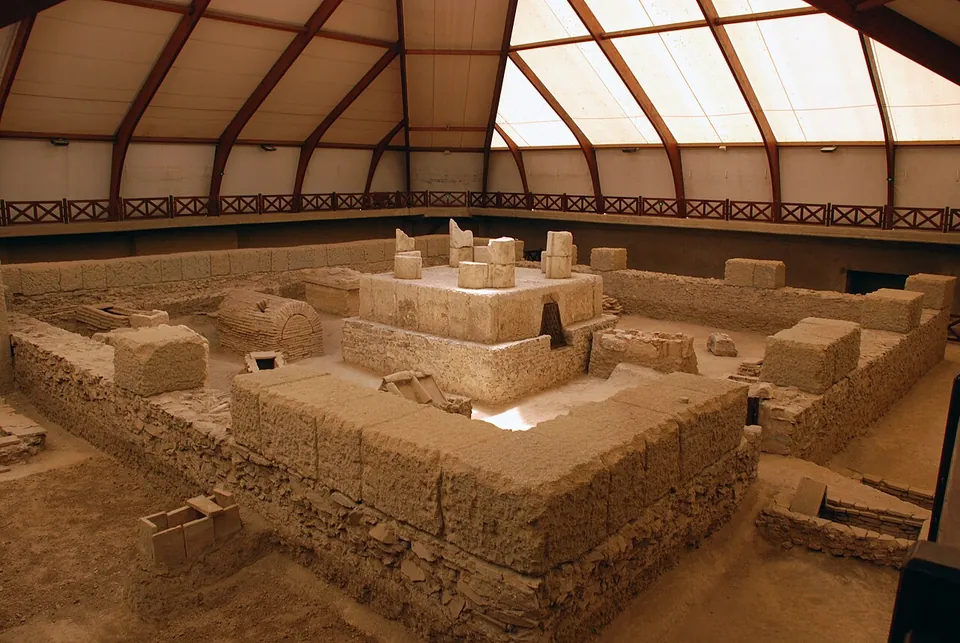
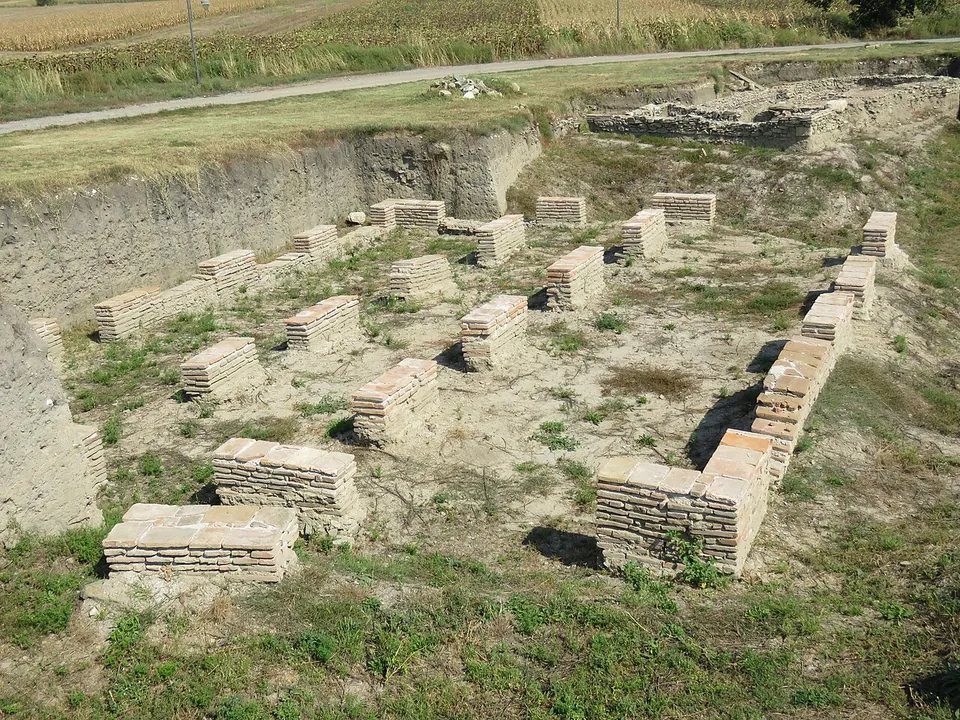
The excavated area is presented as a park rather than a ruin field: several buildings sit under permanent protective roofs, with walkways round them, and a guide takes you between them. Within the former city are a large amphitheatre and the mausoleum of the emperor Hostilian, who died in 251, along with a mammoth park on the same ground (de.wikipedia). The archaeological site covers some 450 hectares in total and holds the remains of temples, streets, squares, amphitheatres, palaces, hippodromes and baths (en.wikipedia).
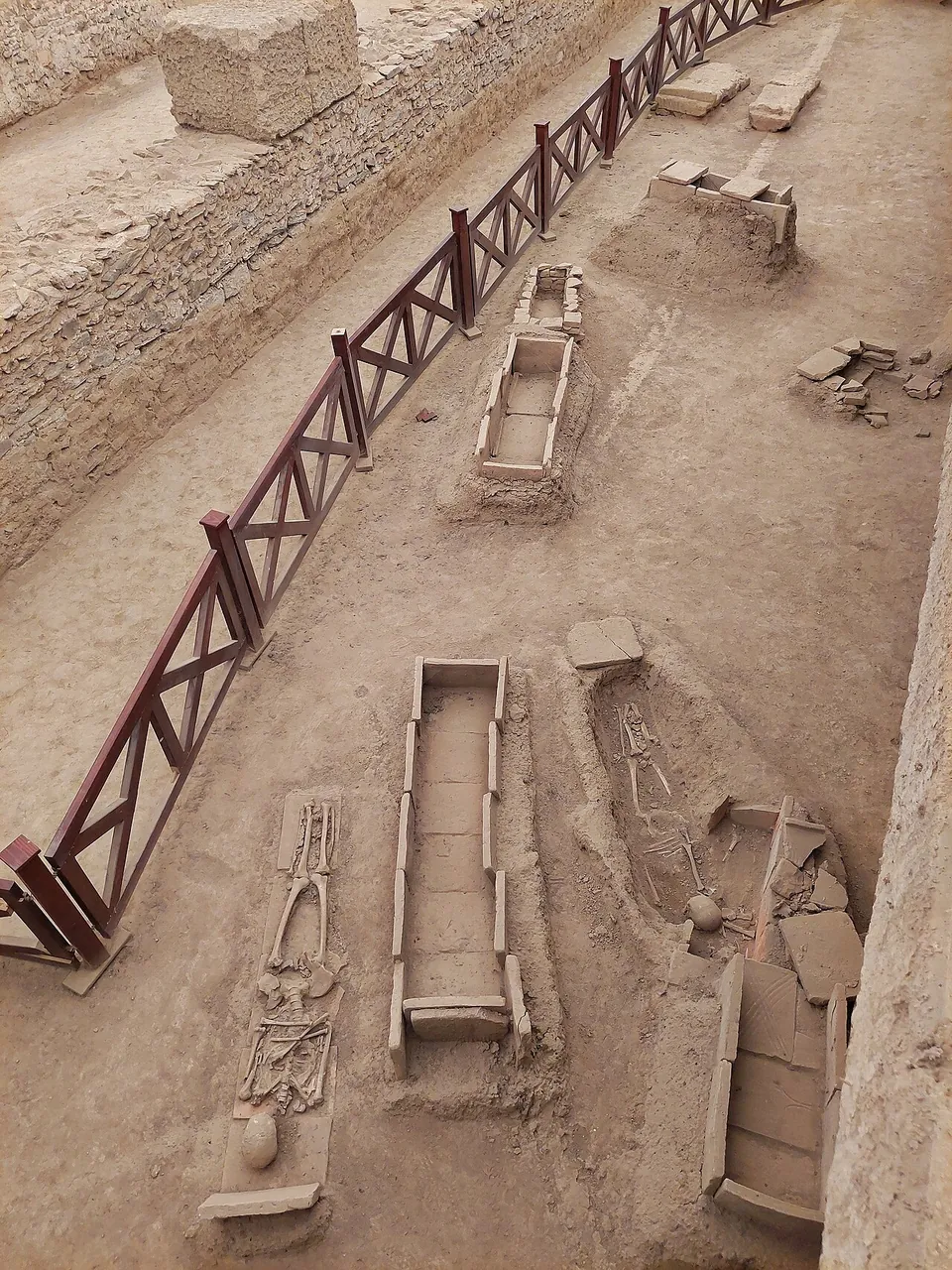
What you will not see is most of it. As of 2018 only three to four per cent of the site had been explored (en.wikipedia), which is part of the appeal: this is a working excavation, not a finished monument. Its most extraordinary statistic is funerary. More graves have been found at Viminacium than at any other Roman archaeological site anywhere — more than 16,000 by 2023 (en.wikipedia) — and some are presented where they were dug, skeletons and all.
Is it worth the trip?
Yes, and more than the ruins alone would suggest, because the visit is organised. A ticket includes a guided tour, tours leave on the hour, and the operator reckons two and a half hours for the whole thing. That structure is also the catch: you cannot simply wander in and potter. If you want to move at your own pace round an open site, Felix Romuliana suits you better.
Two practical caveats. The operator does not publish prices online, so arrive prepared to pay an unknown amount — modest, by every indication, but we will not quote a figure we cannot get from them. And there is no public transport mapped anywhere near, so this is a car trip.
Getting there
The site lies just outside Kostolac in eastern Serbia, about 12 km from Požarevac (sr.wikipedia). Parking is free at every part of the site, including for buses and for disabled visitors, and the walk from the car park to the first monument is a few minutes.
It opens at 09.00 every day of the year except 1 and 7 January, and closes with the season: 16.00 in midwinter, 19.00 from May to September, with the last tour starting two hours before. There is a tavern for hot and cold drinks year-round and a gift shop; toilets exist only at the imperial mausoleum, including accessible ones. Roman food can be arranged but needs ordering at least three days ahead (viminacium.org.rs, read 26 September 2026).
Visiting details
- Opening hours
- Daily, closed only on 1 and 7 January. Closing time follows the month - 16.00 in January, February and December, 17.00 in March and November, 18.00 in April and October, 19.00 from May to September - and the site opens at 09.00 all year. Tours leave on the hour and the last one starts two hours before closing.
- Tickets
- Ticketed, and the ticket includes the guided tour, which is how the site is seen. The operator does not publish a tariff online, so ask when you arrive or call ahead.
- Parking
- Free, at every part of the site, including bus parking and spaces for disabled visitors (viminacium.org.rs).
- On foot
- About 3 min from the parking
Before you go
- Allow about two and a half hours - that is the operator's own average visit length, and the tour is the only way round.
- Groups must book in advance; tours run in Serbian and English, other languages need ten days' notice.
- Toilets are only at the imperial mausoleum. In heavy rain the amphitheatre and the mammoth park may close.
- No bus stop or railway station is mapped within reach; the site needs a car.
Hours and prices checked 26 September 2026 on the operator's own site. Confirm before travelling.
History
The city was founded in the 1st century AD on the Danube frontier and grew into one of the largest cities in the Balkans, with perhaps 40,000 inhabitants at its height (en.wikipedia). It was the main camp of Legio VII Claudia and the capital of the province of Moesia; after Domitian’s Dacian war and the division of the province in 87 it became the capital of Moesia Superior (en/de.wikipedia). It stood on the Via Militaris, the highway that ran from Sirmium through Viminacium and on to Constantinople.
The Huns devastated it in the 5th century and Justinian I rebuilt it in the 6th, but it was destroyed again with the arrival of the Slavs and did not recover; the Serbian account has the city lasting to the beginning of the 7th century (en/sr.wikipedia). Pleiades brackets the place between 30 BC and AD 640.
Sources
Every fact on this page comes from the records below, each used under the licence noted.
| Source | Licence |
|---|---|
| Pleiades 207549 | CC BY |
| Wikidata Q1231824 | CC0 |
| Vici.org 36543 | CC BY-SA (text), CC0 (metadata) |
| Viminacium Archaeological Park — the operator's tourism page | licence not recorded |
| Wikipedia (en) — Viminacium | CC BY-SA 4.0 |
| Wikipedia (de) — Viminatium | CC BY-SA 4.0 |
| Wikipedia (sr) — Виминацијум | CC BY-SA 4.0 |